
Understanding VpCI® Technology
How Cortec®'s Vapour Phase Corrosion Inhibitors protect metals more effectively, more safely, and more sustainably than traditional methods.
The Cost of Corrosion
Corrosion costs the global economy an estimated 3.4% of GDP — over $2.5 trillion annually. In Ireland alone, the cost to industry runs into billions. Equipment failures, unplanned downtime, premature replacements, and safety incidents driven by corrosion represent a constant drain on operational budgets across every sector.
Much of this cost is preventable with the right protection strategy. The challenge is that many traditional corrosion prevention methods are messy, expensive to apply and remove, harmful to the environment, and only partially effective. VpCI® technology changes this equation entirely.
3.4%
of Global GDP
$2.5 Trillion
Annual cost of corrosion worldwide
What is Corrosion?
Understanding the enemy is the first step to defeating it.
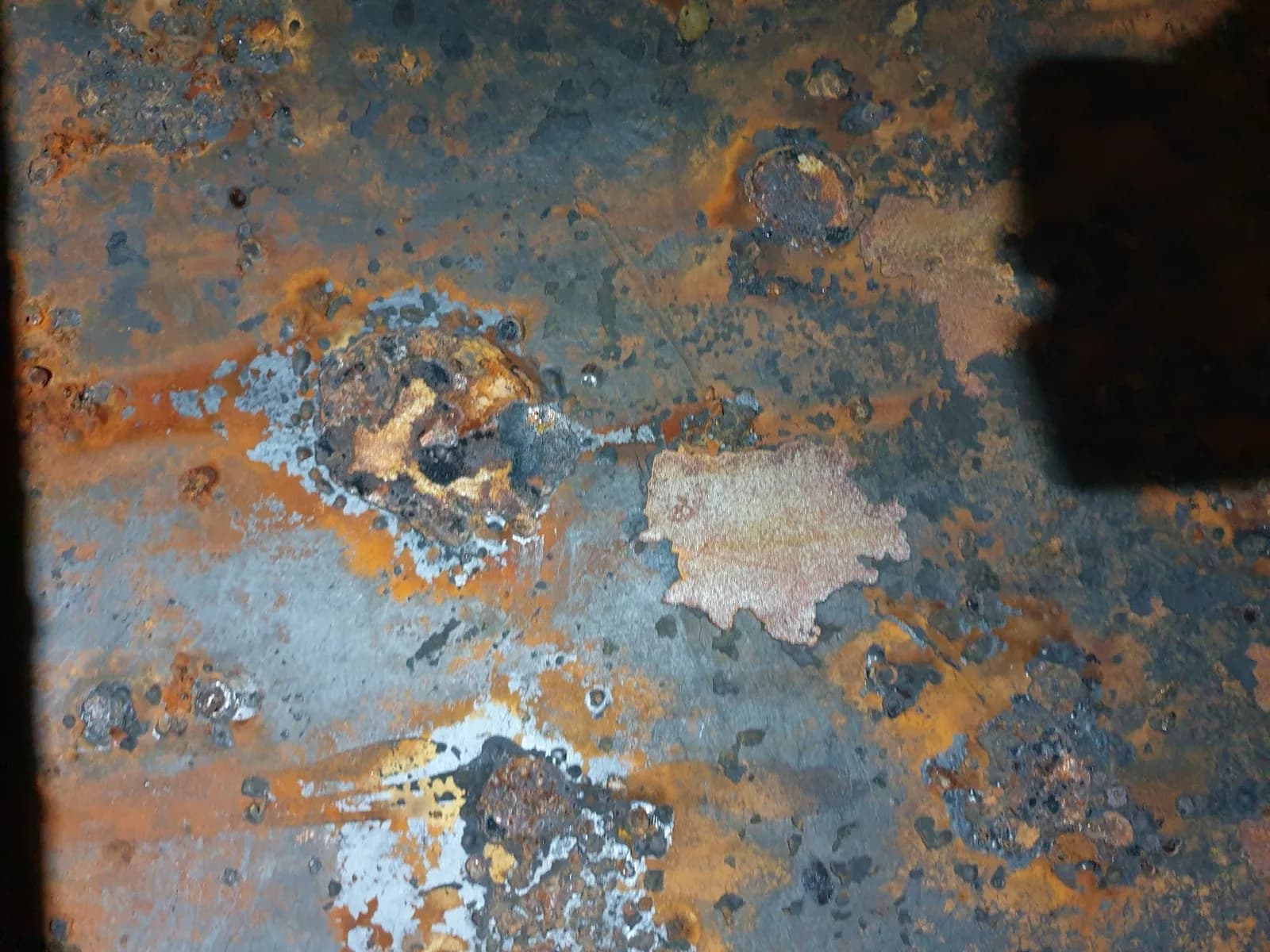
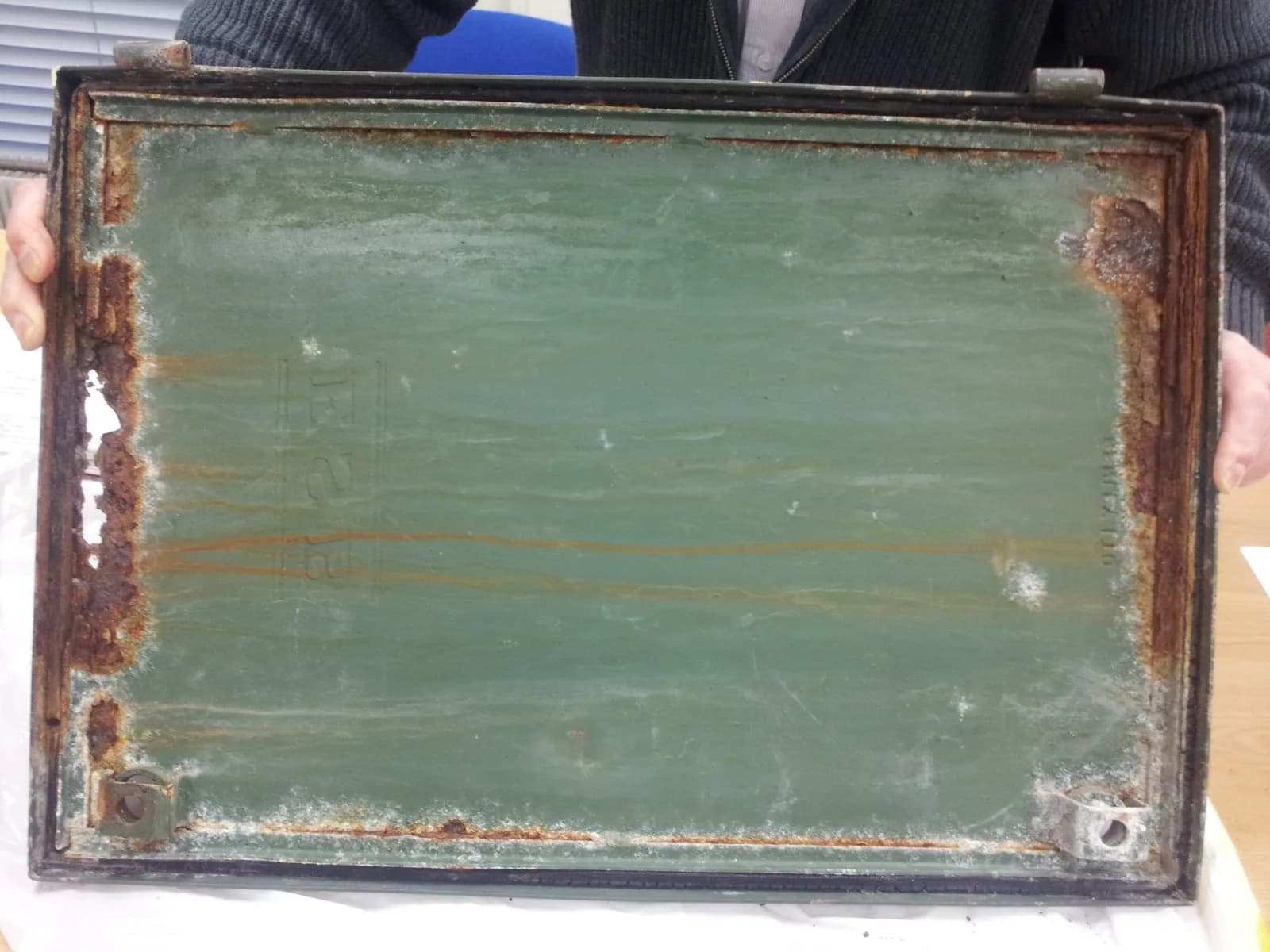
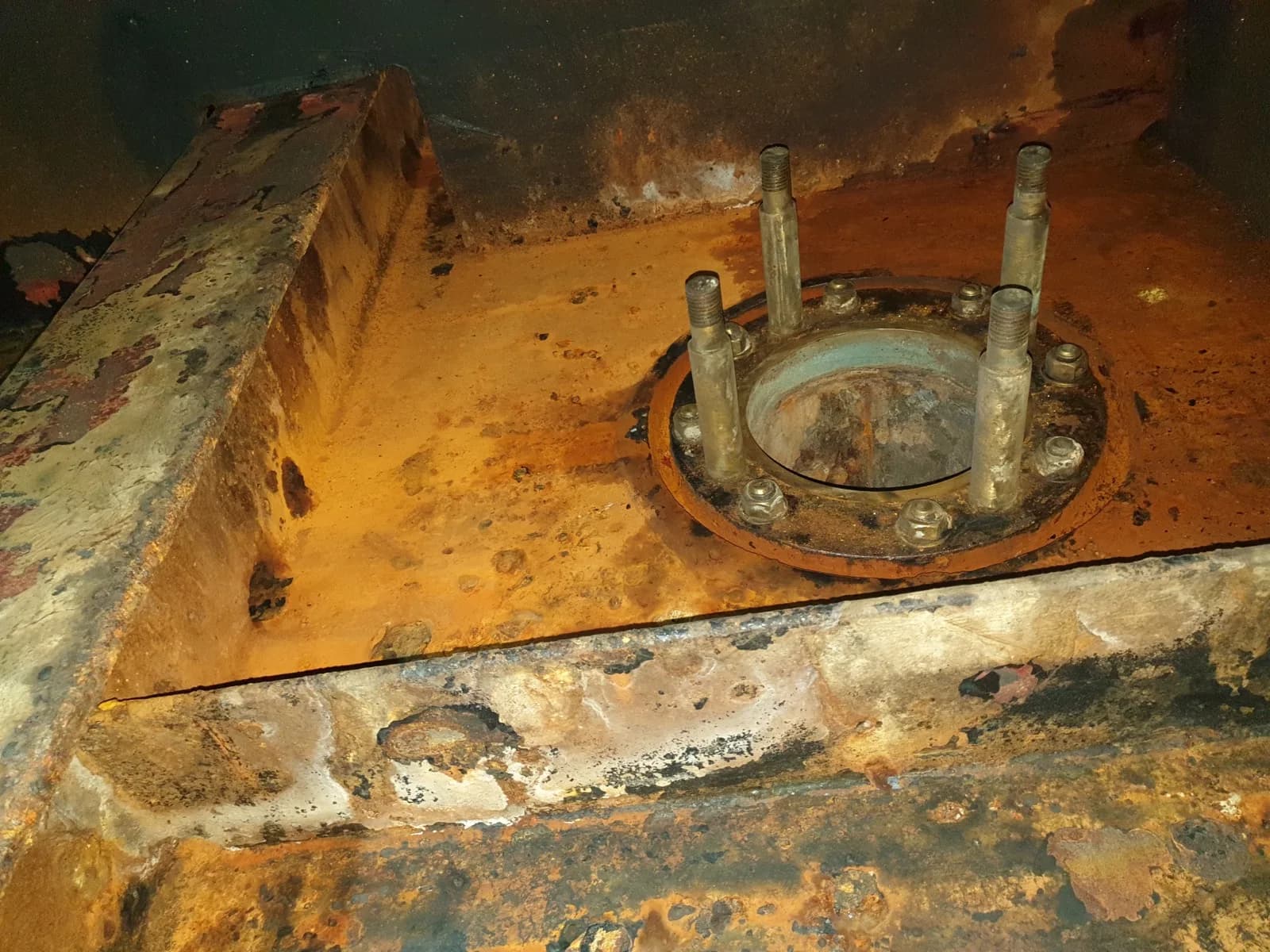
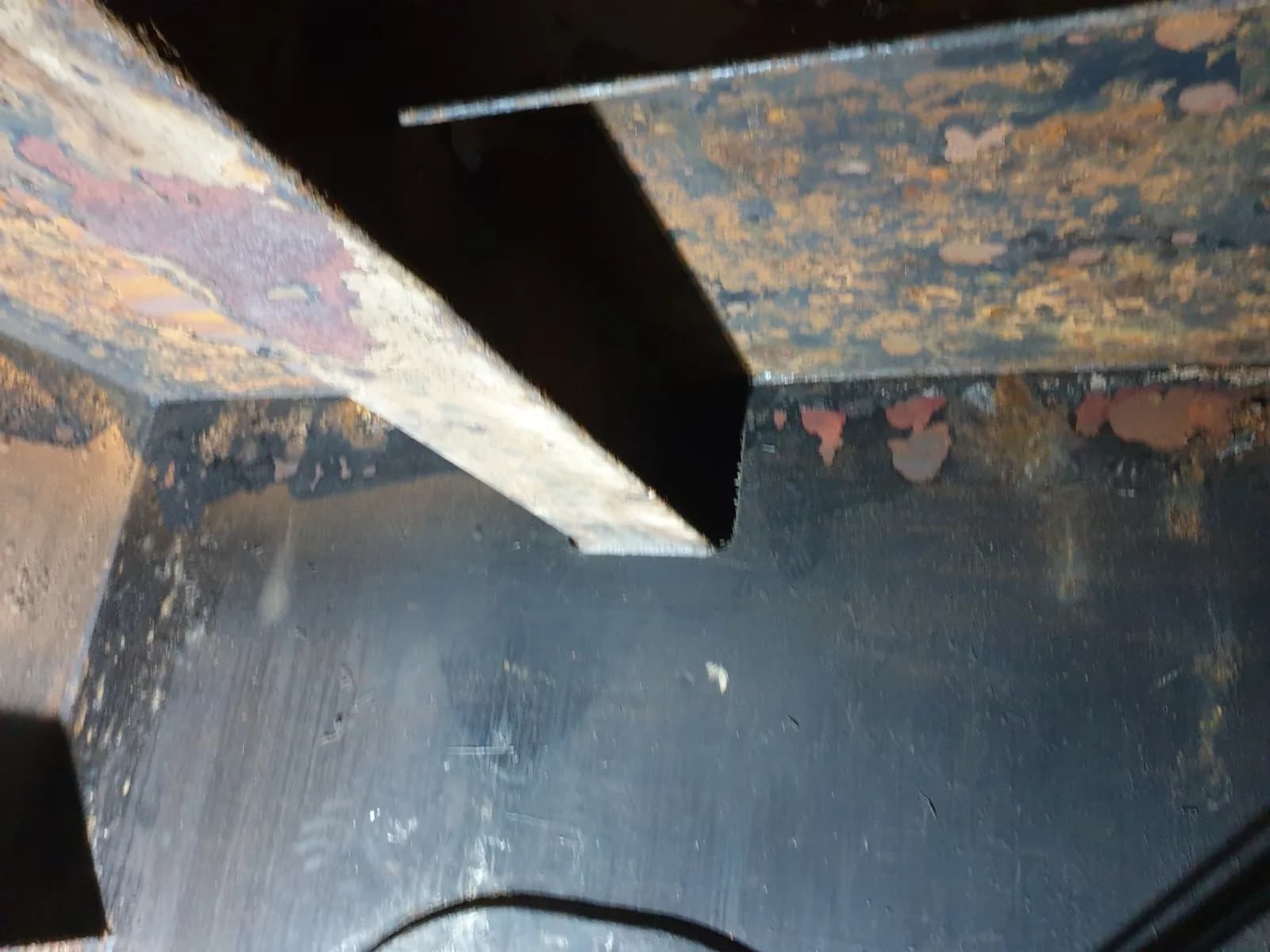
Corrosion is the natural process by which metals deteriorate through chemical reactions with their environment — primarily oxygen and moisture. Iron rusts. Steel pits. Aluminium oxidises. Copper develops patina. Every metal is vulnerable, and the process never stops.
Left unchecked, corrosion weakens structures, damages equipment, causes electrical failures, contaminates products, and creates serious safety hazards. It affects every industry — from manufacturing and construction to electronics, automotive, marine, oil and gas, and aerospace.
The electrochemical nature of corrosion means that wherever metal is exposed to air and moisture, degradation begins. Traditional protection methods attempt to create a physical barrier between the metal and its environment. VpCI® technology takes a fundamentally different approach.
How VpCI® Works
A fundamentally different approach to corrosion protection.
VpCI® (Vapour Phase Corrosion Inhibitor) molecules are released from Cortec® products — whether that is a film, an emitter device, or a liquid formulation — and travel through the air to reach all metal surfaces within an enclosed space. This includes recesses, crevices, internal cavities, and hard-to-reach areas that sprays and coatings simply cannot protect.
The molecules form a thin, self-replenishing molecular layer on the metal surface — just a few molecules thick. This invisible layer interrupts the electrochemical process that causes corrosion, effectively stopping it before it can begin.
Unlike oils and greases that must be physically applied to every surface, VpCI® molecules do the work themselves — migrating through the air to find and protect all exposed metal. This is why VpCI® is particularly effective for complex assemblies, electronics, machinery with internal components, and any situation where complete surface coverage is difficult to achieve manually.
When the protected item is unwrapped or the emitter is removed, the VpCI® molecules dissipate harmlessly, leaving the metal clean and ready to use — no cleaning or degreasing required. This eliminates an entire process step and the associated costs, chemicals, and waste.
VpCI® vs Traditional Methods
See how Vapour Phase Corrosion Inhibitor technology compares to conventional corrosion protection approaches.
| Feature | VpCI® Technology | Oils & Greases | Desiccants | Paint / Coatings |
|---|---|---|---|---|
| Multi-metal protection | Limited | Varies | ||
| Hard-to-reach areas | ||||
| No cleanup required | N/A | N/A | ||
| Environmentally friendly | ||||
| Biodegradable options | ||||
| Long-term protection | Limited | Limited |
MCI® Technology
Migrating Corrosion Inhibitors (MCI®) apply the same core principle as VpCI® but are specifically engineered for the construction industry. MCI® molecules are designed to migrate through concrete — penetrating pores and capillaries to reach the embedded steel reinforcement (rebar) within.
Once they reach the rebar surface, MCI® molecules form the same type of protective molecular layer, preventing the electrochemical corrosion process that causes rebar to expand and crack the surrounding concrete. This technology can be applied to new construction or used to treat existing structures, extending the service life of bridges, car parks, marine structures, and buildings by decades.
How MCI® Differs from VpCI®
VpCI®
Travels through air to protect metals in enclosed spaces. Used in packaging, storage, and equipment protection.
MCI®
Migrates through concrete to protect embedded rebar and steel. Used in construction, infrastructure, and repair.
Same principle: Both technologies use corrosion-inhibiting molecules that travel to the metal surface and form a protective molecular layer. The difference is the medium they travel through — air (VpCI®) or concrete (MCI®).
How the Technology is Delivered
VpCI® and MCI® technology is incorporated into a wide range of product formats, each designed for specific applications and environments.
Electronics & Electrics
Emitters, ESD films and devices that protect circuit boards, contacts, and equipment inside electrical enclosures.
View ProductsPackaging
Films, bags, shrink films, papers, foams, and emitter devices infused with VpCI® molecules for packaging protection.
View ProductsMetalworking
Cutting fluids and rust preventatives that protect parts between machining operations.
View ProductsPowders
Free-flowing VpCI® powders for protecting tanks, pipework, voids, and enclosed spaces.
View ProductsSurface Preparation
Rust removers, cleaners, and degreasers that prepare metal safely and prevent flash rust.
View ProductsWater Treatment
Boiler layup, closed-loop, and hydrotest corrosion inhibitors that protect in liquid and vapour phases.
View ProductsEnhanced Lubricants
Penetrants, greases, and oils with built-in VpCI® corrosion protection.
View ProductsHigh Performance Coatings
Removable and permanent protective coatings enhanced with VpCI® for long-term outdoor and indoor protection.
View ProductsCorrosion Inhibiting Additives
Additives that build VpCI® protection into your own coatings, fluids, adhesives, and plastics.
View ProductsBioCortec® Sustainable Products
Biobased, biodegradable, and compostable corrosion protection made from renewable resources.
View ProductsMCI® Concrete Protection
MCI® products for protecting rebar and embedded metals in concrete structures.
View Products